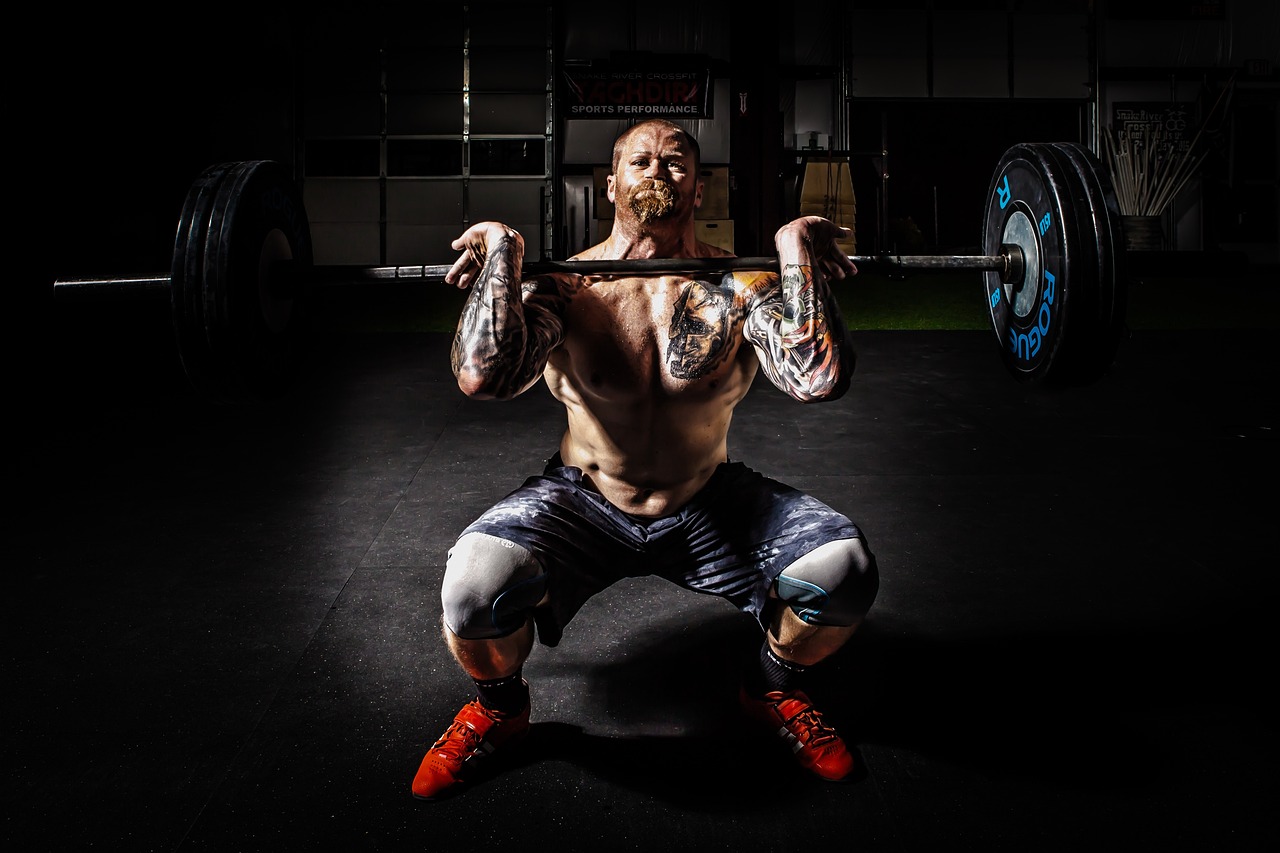
Sport exists on many levels. For some, it’s a way to stay healthy, clear the mind, and enjoy movement without pressure. For others, it’s a career built on discipline, sacrifice, and constant pursuit of excellence. Amateur and professional sport may look very different on the surface, but at their core, they share more similarities than most people realize. Understanding both paths helps break the myth that only elite athletes truly benefit from sport. Whether you train for enjoyment or for medals, movement offers value far beyond results or recognition.
Amateur sport – health and enjoyment
Amateur sport is the most accessible form of physical activity. It’s driven by personal choice rather than obligation, and its primary goal is well-being. People train because they want to feel better, stay active, or simply enjoy the process.
This freedom is one of amateur sport’s greatest strengths. There’s room for flexibility, experimentation, and balance. Training intensity can adapt to daily life, energy levels, and priorities. Mistakes or breaks don’t carry major consequences—they’re part of the process.
Amateur sport supports long-term health by improving cardiovascular fitness, strength, mobility, and mental well-being. It also reduces stress and adds structure to daily life without overwhelming it.
Perhaps most importantly, amateur sport helps build a positive relationship with movement. When activity is associated with enjoyment rather than pressure, it’s more likely to last.
Professional sport – demands and sacrifice
Professional sport operates under entirely different conditions. It’s a career where performance, results, and consistency are non-negotiable. Athletes train not only for personal goals but also for teams, sponsors, and public expectations.
The demands are intense. Training volumes are high, recovery must be precise, and competition is constant. Physical and mental pressure are part of daily life, and mistakes can carry significant consequences.
Sacrifice is unavoidable. Professional athletes often give up comfort, free time, and social flexibility. Injuries, travel, and strict routines are common. Success requires resilience, discipline, and long-term commitment.
Yet despite these challenges, professional sport also offers unique rewards: mastery, purpose, and the opportunity to perform at the highest level. For those who choose this path, the demands are part of the identity.
Shared elements of sport
Despite their differences, amateur and professional sport share key foundations. Discipline, consistency, and effort are essential at every level. Progress—whether physical or mental—comes from showing up and staying engaged over time.
Sport also builds character. It teaches patience, resilience, and the ability to handle setbacks. Losses, plateaus, and failures are universal experiences, regardless of level.
Another shared benefit is the impact on health and well-being. While professional athletes face higher physical risks, both amateur and elite sport support mental focus, confidence, and a sense of purpose.
At its core, sport is about growth. Whether the goal is enjoyment or excellence, movement challenges individuals to understand their limits—and sometimes push beyond them.
Amateur and professional sport may follow different paths, but they lead to many of the same benefits. One prioritizes balance and enjoyment, the other performance and achievement—but both support health, discipline, and personal development. You don’t need to compete at the highest level to experience the value of sport. What matters is choosing the path that fits your life, goals, and priorities. In the end, sport rewards anyone willing to move, commit, and grow—regardless of where they start or how far they go.